

"Unlocking the Power of Millets: Nature's Supergrains for a Healthier You"
Millets are a group of small-seeded grains that have been cultivated and consumed for thousands of years, primarily in various regions of Africa and Asia. They are a type of cereal grain and are known for their nutritional value and adaptability to different climates. Some common types of millets include:
Pearl Millet (Pennisetum glaucum): This is one of the most widely grown millet varieties and is commonly cultivated in Africa and India. It's used for making porridge, bread, and other food products.
Finger Millet (Eleusine coracana): Also known as ragi, finger millet is popular in India and Africa. It's often ground into flour to make porridge, flatbreads, and various other dishes.
Foxtail Millet (Setaria italica): This millet is grown in parts of Asia, particularly in China and India. It's used to make various foods, including porridge and rice replacements.
Proso Millet (Panicum miliaceum): Common in Europe and parts of Asia, proso millet is used for human consumption, bird feed, and as livestock forage.
Barnyard Millet (Echinochloa crus-galli): This millet is grown in many parts of the world and is used for making various foods, including porridge and rice substitutes.
Little Millet (Panicum sumatrense): Popular in South Asia, little millet is used for making rice substitutes and various other dishes.
Millets are gaining popularity worldwide due to their nutritional benefits. They are gluten-free, rich in fiber, vitamins, and minerals. They are also known for their drought-resistant and low-water requirements, making them a sustainable choice for agriculture. Millets are used in a variety of dishes, including porridge, bread, and as a rice substitute. They are considered a healthy addition to the diet and are especially valued for their ability to provide essential nutrients and energy to people in regions with challenging agricultural conditions.
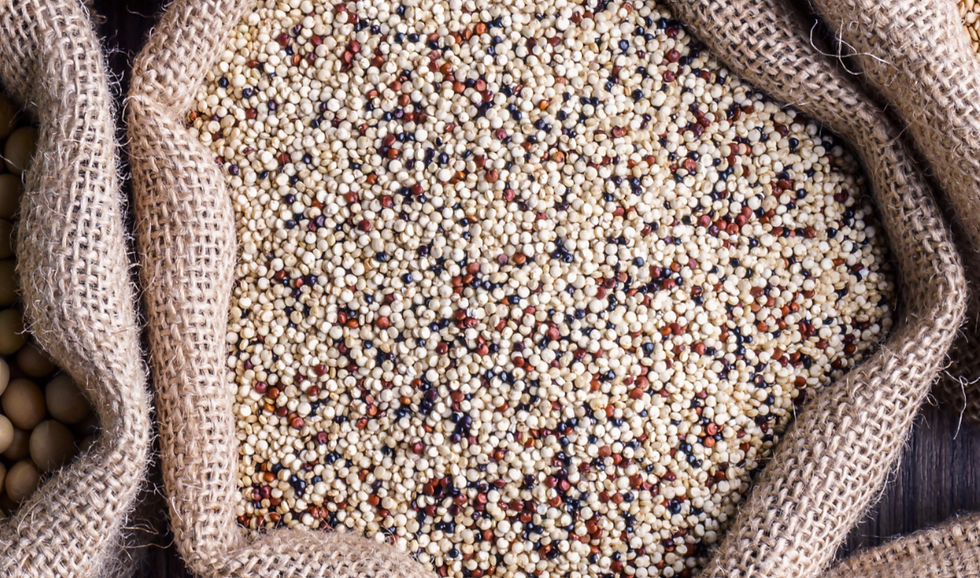
How are millets are beneficial for health
Millets are highly beneficial for health due to their nutritional content and various health-promoting properties. Here are some of the key health benefits associated with the consumption of millets:
Rich in Nutrients: Millets are a good source of essential nutrients such as vitamins, minerals, and dietary fiber. They provide a range of B vitamins, including niacin, riboflavin, and thiamine, as well as minerals like magnesium, phosphorus, and iron.
Gluten-Free: Millets are naturally gluten-free, which makes them suitable for individuals with celiac disease or gluten sensitivity. They can be used as a substitute for wheat and other gluten-containing grains.
High in Fiber: Millets are rich in dietary fiber, which supports digestive health by promoting regular bowel movements, preventing constipation, and reducing the risk of gastrointestinal issues.
Low Glycemic Index: Millets have a low glycemic index (GI), which means they cause a slower and more gradual increase in blood sugar levels when compared to high-GI foods. This is particularly beneficial for individuals with diabetes or those looking to maintain steady energy levels.
Antioxidant Properties: Some millets, such as finger millet (ragi), contain antioxidants like polyphenols, which help protect cells from oxidative damage and reduce the risk of chronic diseases.
Heart Health: The fiber and magnesium content in millets can help lower cholesterol levels and reduce the risk of heart disease. Additionally, millets are known to have a positive impact on blood pressure regulation.
Weight Management: The fiber in millets can promote a feeling of fullness and reduce overeating, making them a helpful addition to a weight management plan.
Bone Health: Millets are a source of essential minerals like calcium, magnesium, and phosphorus, which contribute to bone health and may help prevent osteoporosis.
Digestive Health: The high fiber content in millets supports a healthy gut by promoting the growth of beneficial gut bacteria, which can aid in digestion and reduce the risk of gastrointestinal disorders.
Satiety and Energy: Millets provide a steady source of energy due to their complex carbohydrates. They can help sustain energy levels throughout the day and reduce feelings of fatigue.
It's important to note that the specific nutrient content and health benefits may vary depending on the type of millet. Incorporating a variety of millets into your diet can provide a wide range of nutrients and health advantages. You can prepare millets in various ways, including as porridge, in salads, as a rice substitute, or as an ingredient in baked goods, to enjoy their health benefits.
Can millet meal replace wheat and rice diet
Yes, millet meals can be used to replace or reduce the consumption of wheat and rice in your diet. Millets are a nutritious and versatile alternative to wheat and rice, and they offer various health benefits. Here's how you can use millets to replace or reduce the consumption of wheat and rice:
Wheat Replacement:
Millet Flour: You can use millet flours (such as finger millet, pearl millet, or foxtail millet flour) to make rotis or flatbreads. They can be used in place of wheat flour to create a gluten-free, nutritious option.
Mixed Millet Flour: Combining various millet flours can provide a balanced and diverse nutrient profile.
Rice Replacement:
Millet Grains: Millets like foxtail, little millet, and barnyard millet can be cooked and used as a rice replacement in dishes like pilaf, biryani, or as a side dish.
Millet Porridge: You can prepare millet porridge as a breakfast or side dish instead of rice-based dishes. It's especially popular in some Asian cuisines.
Mixed Millets: Mixing different types of millets in your diet can provide a variety of flavors and nutrients, which can be a more interesting and balanced alternative to rice.
When replacing wheat and rice with millets, consider the following:
Texture and Flavor: Millets have a different texture and flavor compared to wheat and rice. Experiment with various millets to find the ones you prefer, and try different cooking methods to get the desired texture and taste.
Cooking Methods: Millets may require different cooking times and methods than wheat and rice, so it's essential to follow specific cooking instructions for each type of millet.
Balanced Diet: Ensure that you maintain a balanced diet by incorporating a variety of vegetables, proteins, and other food groups to meet your nutritional needs.
Portion Control: Monitor portion sizes to control calorie intake and maintain a balanced diet. Overconsumption of any food, including millets, can lead to weight gain.
Consult a Dietitian: If you have specific dietary needs or health conditions, it's a good idea to consult with a registered dietitian who can help you create a well-balanced diet that suits your individual requirements.
Incorporating millets as part of a well-rounded diet can provide a range of nutrients and offer a variety of flavors. It's also an environmentally sustainable choice due to millets' low water and resource requirements.
Will it better to eat millets instead of rice and wheat
The choice of whether to eat millets instead of rice and wheat depends on your individual dietary preferences, nutritional needs, and health goals. Here are some factors to consider when making this decision:
Nutritional Needs: Millets are nutritious and offer several health benefits, such as being high in fiber, vitamins, minerals, and antioxidants. If your nutritional requirements can be met by including millets in your diet, they can be a beneficial addition.
Gluten Sensitivity: If you have gluten sensitivity or celiac disease, millets are an excellent choice because they are naturally gluten-free, unlike wheat.
Low Glycemic Index: Millets have a lower glycemic index compared to rice and wheat. This means they cause a slower and more gradual increase in blood sugar levels, which can be advantageous for individuals with diabetes or those aiming to manage their blood sugar levels.
Variety: Incorporating a variety of grains in your diet can provide a more balanced nutrient intake and can make your meals more interesting. You can include both millets and rice or wheat in your diet.
Cultural and Culinary Preferences: The choice between millets, rice, and wheat also depends on your culinary preferences and the cultural context of your meals. Many traditional dishes are made with rice or wheat, and millets may not be a direct substitute in all cases.
Balanced Diet: It's important to maintain a balanced diet that includes a variety of foods from different food groups to ensure you get all the essential nutrients your body needs.
Personal Tolerance: Some people may have specific taste preferences and tolerances for different grains. It's essential to enjoy the foods you eat to maintain a sustainable and healthy dietary pattern.
Ultimately, the decision to replace rice and wheat with millets, either partially or completely, should align with your dietary goals, taste preferences, and any specific health considerations you may have. You can experiment with incorporating millets into your meals while still enjoying rice and wheat on occasion, which can provide a balanced and diverse diet.
If you have specific dietary requirements or health concerns, it's advisable to consult with a registered dietitian or healthcare professional who can provide personalized guidance and help you create a dietary plan that meets your individual needs.
What kind of millet diet can be taken in diabetes
Millets can be a beneficial addition to a diabetes-friendly diet due to their low glycemic index and high fiber content. Here's a suggested millet-based diet plan for individuals with diabetes:
1. Finger Millet (Ragi) Porridge:
Ragi is known for its low glycemic index and high fiber content.
Make a thick porridge by cooking ragi flour with water or low-fat milk.
Add a pinch of cinnamon for flavor (cinnamon may help regulate blood sugar).
Sweeten with a small amount of stevia or another non-caloric sweetener.
2. Foxtail Millet Upma:
Replace semolina (sooji) with foxtail millet to make a diabetes-friendly upma.
Include plenty of vegetables like bell peppers, carrots, and peas.
Season with turmeric and curry leaves for added flavor and health benefits.
3. Pearl Millet Roti (Bajra Roti):
Substitute pearl millet (bajra) flour for wheat flour to make rotis.
These rotis are high in fiber and have a low glycemic index.
Serve with a side of low-carb vegetable curry.
4. Little Millet Salad:
Cook little millet and let it cool.
Mix with chopped cucumbers, tomatoes, bell peppers, and fresh herbs like cilantro and mint.
Dress with lemon juice and a dash of olive oil.
5. Barnyard Millet Pulao:
Use barnyard millet instead of white rice to make a flavorful pulao.
Add lean protein sources like chicken or tofu and plenty of vegetables.
Season with diabetes-friendly spices like turmeric and cumin.
6. Proso Millet Porridge:
Proso millet can be used to make a nutritious and filling porridge.
Cook proso millet with water or low-fat milk and add a small amount of unsweetened cocoa powder for flavor.
Sweeten with a non-caloric sweetener.
7. Mixed Millet Khichdi:
Prepare a khichdi with a mix of millets like pearl millet, foxtail millet, and little millet.
Add protein-rich lentils (dal) and plenty of vegetables.
Season with diabetes-friendly spices like cumin and coriander.
8. Snacks:
Millet-based snacks like baked millet chips or roasted millet mixtures can be a healthier alternative to high-carb snacks.
Make sure to control portion sizes to manage carbohydrate intake.
When incorporating millets into your diet for diabetes management, it's essential to monitor your blood sugar levels regularly to ensure that your choices are appropriate for your individual needs. Additionally, consult with a healthcare professional or a registered dietitian to create a personalized meal plan tailored to your specific dietary requirements and blood sugar management goals.
What kind of millet can be taken for reducing weight
Millets can be a helpful addition to a weight loss or weight management plan due to their high fiber content and low glycemic index, which can help you feel full and satisfied while stabilizing blood sugar levels. However, it's important to note that the choice of millet alone won't guarantee weight loss; it needs to be part of a balanced diet and a healthy lifestyle.
Here are some millets that can be incorporated into your weight reduction efforts:
Pearl Millet (Bajra): Pearl millet is a good choice for weight management because it is high in fiber and has a low glycemic index. You can use pearl millet flour to make rotis (flatbreads) or include it in salads and soups.
Foxtail Millet: Foxtail millet is another excellent option for weight loss due to its high fiber content. You can use it to make upma, pulao, or even a porridge.
Little Millet: Little millet is low in calories and fat and is rich in fiber. It can be used as a rice substitute in various dishes to reduce calorie intake.
Barnyard Millet: Barnyard millet is also a low-calorie and low-fat option. You can use it in place of white rice in dishes like pulao or biryani.
Proso Millet: Proso millet is a versatile option that can be used in a variety of dishes, including salads and porridge. It's low in calories and fat.
Finger Millet (Ragi): Ragi is a nutritious and low-calorie millet. It's high in fiber and can be used to make porridge, rotis, or dosas. Ragi is known for its ability to provide a feeling of fullness.
When incorporating millets into your diet for weight reduction, consider the following tips:
Monitor portion sizes to control calorie intake.
Include a variety of millets in your diet to get a range of nutrients and flavors.
Focus on a balanced diet that includes plenty of vegetables, lean proteins, and healthy fats alongside millets.
Stay hydrated and drink plenty of water throughout the day.
Combine a millet-based diet with regular physical activity to enhance weight loss and overall health.
It's important to consult with a healthcare professional or a registered dietitian to create a personalized weight loss plan that suits your specific goals, dietary preferences, and health needs. They can provide guidance and support to help you achieve your weight reduction objectives effectively and safely.


Comments